
𝔚𝔥𝔦𝔱𝔢 𝔖𝔞𝔭𝔬𝔱𝔢: 𝔗𝔥𝔢 𝔔𝔲𝔢𝔢𝔯 𝔉𝔯𝔲𝔦𝔱 𝔬𝔣 𝔖𝔬𝔣𝔱 𝔇𝔢𝔰𝔠𝔢𝔫𝔱
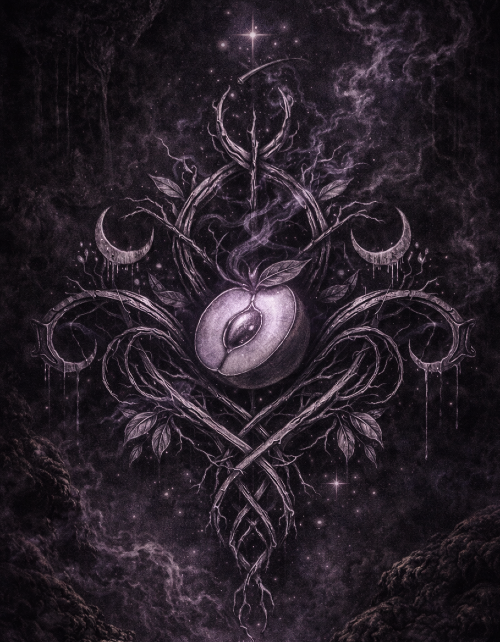
𝔚𝔥𝔦𝔱𝔢 𝔖𝔞𝔭𝔬𝔱𝔢
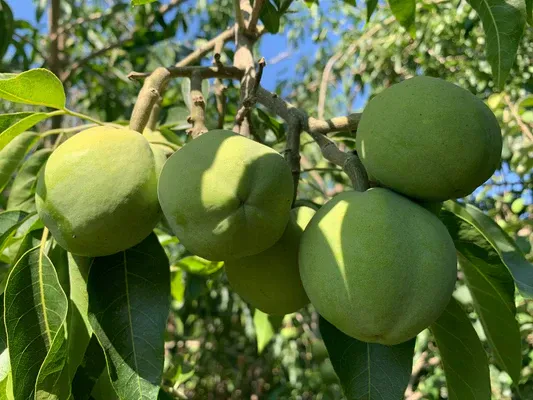
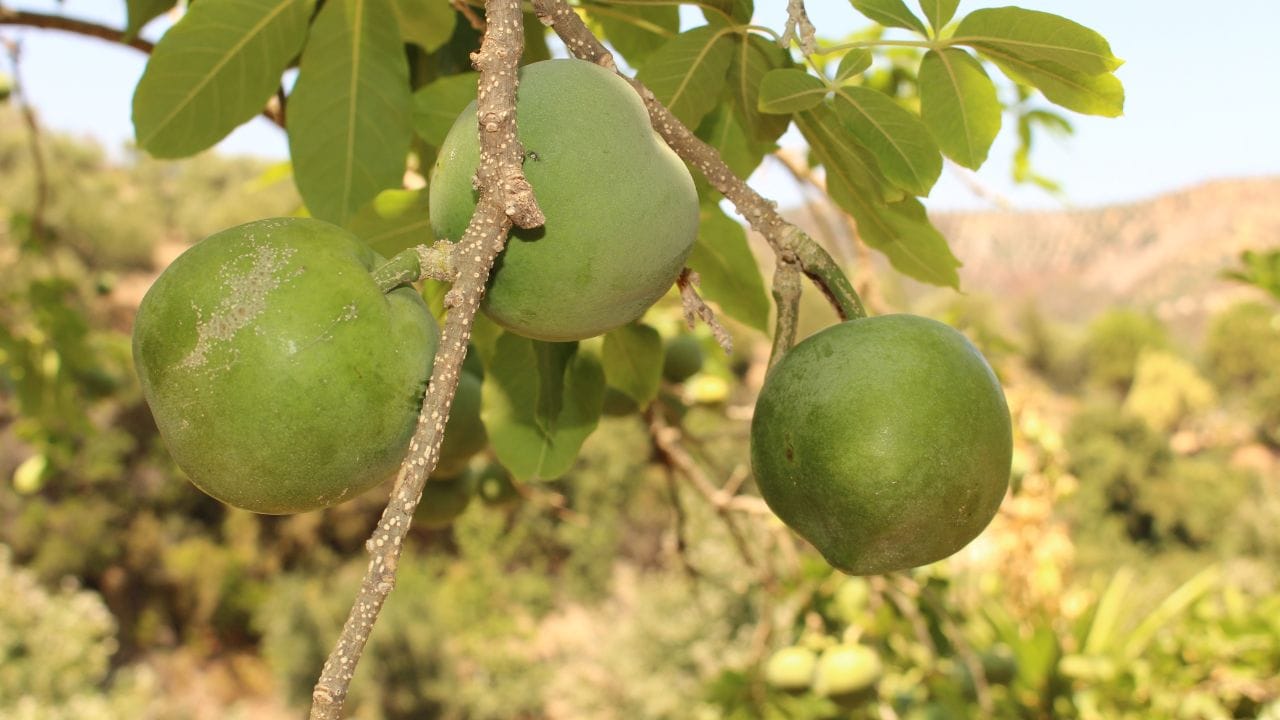
Hanging quietly, almost never announcing itself, a fruit whose pattern of blooming mimics a variety of other fruity friends. Its spacing is patterned by nature like figs—green-skinned, almost unremarkable at first glance, like a muted Granny Smith with a crab apple energy. There is a fruit that does not announce itself loudly.
You could walk past it without knowing what it holds. It is not bright like citrus. It does not shine like berries. It does not call attention to itself, basically at all.
And yet, inside, it is something else entirely.
White sapote is often grouped within the citrus family, but it refuses to behave like citrus. It is not sharp. It is not acidic. It does not awaken you with brightness.
Instead, it softens you.
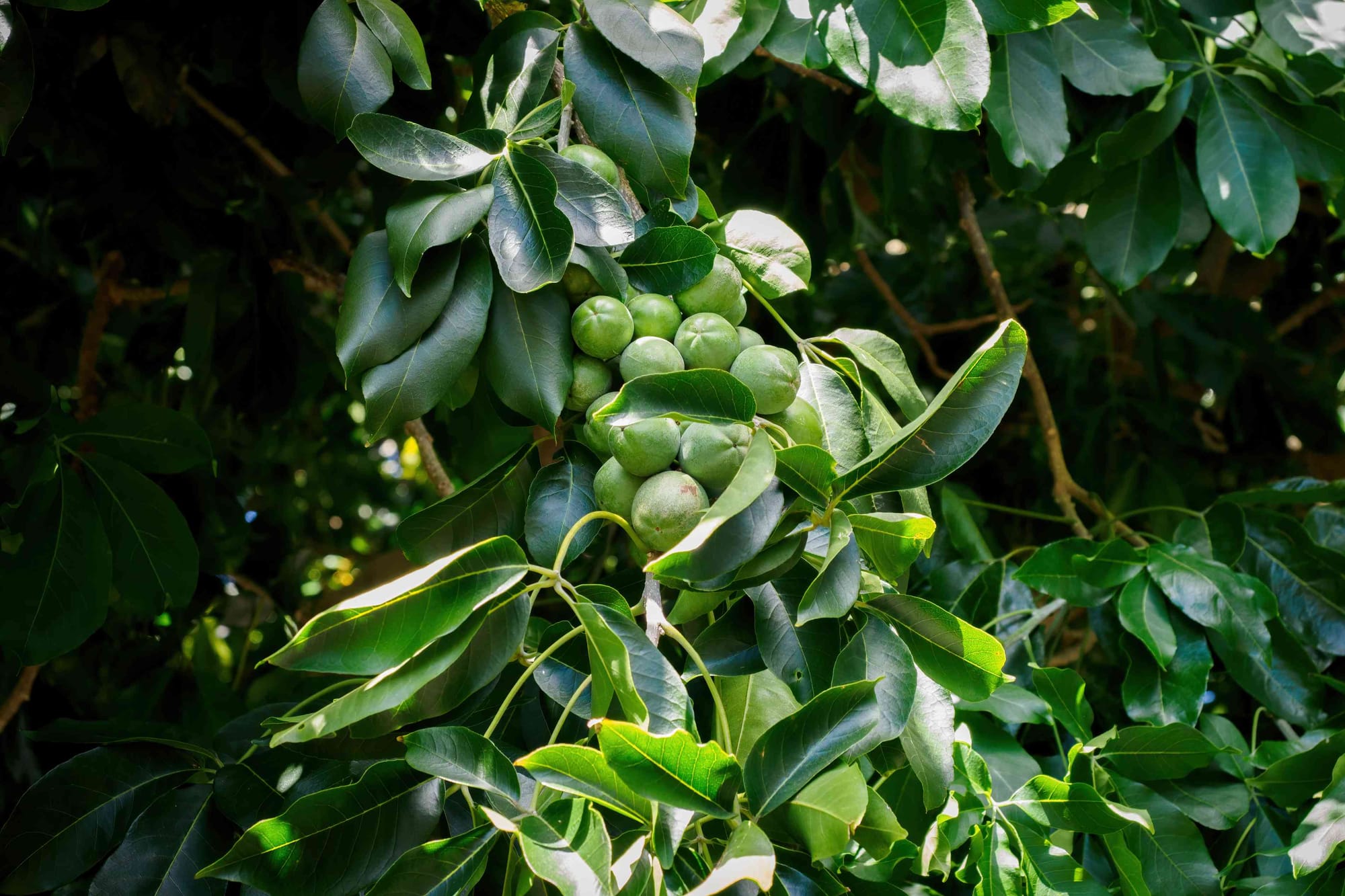
On the tree, it does not immediately reveal how actually cunt the fruit is—mundane or magick. The leaves echo something fig-like as well. The fruit hangs both clustered and sparse, similar to certain citrus and apple varieties.
As if undecided—never fully abundant, never fully solitary.
At a glance, they disappear into themselves: a pale, muted green, sometimes with pastel yellow hues ombre-ing into one another. The navel-like indent surrounding the stem of each one resembles a navel orange.
It is a nonchalant girlie—but not in a way that fades.
Nonchalance, here, defines the space around it. She owns it. In the fruit world, she always gets her 10s. Her realm is subtlety—but not absence.
Presence without announcement.
Sound familiar to my cunning folk?
It is a queer fruit in this way—related but not aligned. Familiar in lineage, but radically different in expression.
Where citrus cuts, sapote yields.
Where citrus stimulates, sapote release.
𝔒𝔫 ℜ𝔦𝔭𝔫𝔢𝔰𝔰, ℑ𝔫𝔦𝔱𝔦𝔞𝔱𝔦𝔬𝔫, 𝔞𝔫𝔡 ℜ𝔢𝔩𝔞𝔱𝔦𝔬𝔫𝔰𝔥𝔦𝔭𝔰 𝔴𝔦𝔱𝔥 𝔙𝔢𝔯𝔡𝔞𝔫𝔱 𝔰𝔭𝔦𝔯𝔦𝔱𝔰
A white sapote cannot be rushed.
If taken too early, it resists you. The flesh is bitter, the experience unpleasant. The body knows immediately: this is not ready. There is a tension in it, a holding, a refusal to open.
So too with initiation.
There is a stage where one is not yet ready—where the work is still hard, still guarded, still defensive. To force entry at this phase is to taste bitterness, to meet resistance, to misunderstand the fruit entirely.
But then something changes.
There is a moment—not dramatic, but undeniable—where the fruit begins to yield. A gentle pressure of the thumb leaves a slight indent. The skin gives just enough. Inside, the flesh has transformed into something custard-soft, almost impossibly smooth.
This is the threshold.
Not overripe. Not collapsed. Not gone.
But open.
This is what readiness feels like.-
A white sapote cannot be rushed.
If taken too early, it resists you. The flesh is bitter, the experience unpleasant. The body knows immediately: this is not ready. There is a tension in it—a holding, a refusal to open.
So too with initiation.
There is a stage where one is not yet ready—where the work is still hard, still guarded, still defensive. To force entry at this phase is to taste bitterness, to meet resistance, to misunderstand the fruit entirely.
But then something changes.
There is a moment—not dramatic, but undeniable—where the fruit begins to yield. A gentle press of the thumb leaves a slight indent. The skin gives just enough.
Inside, the flesh has transformed into something custard-soft, almost impossibly smooth.
This is the threshold.
Not overripe. Not collapsed. Not gone.
But open.
This is what readiness feels like.
When witches talk about trafficking with verdant spirits or forming relationships with plant allies, it is easy to forget that plants pick up on energy. This is scientifically observed—but also intuitively known.
If micro reflects macro, then plants recognize something in the practitioner moving through similar stages of life. They respond. They call. They align where there is resonance...
𝔗𝔥𝔢 𝔙𝔢𝔯𝔡𝔞𝔫𝔱 ℭ𝔩𝔞𝔦𝔪
Here is a crucial moment in verdant spirit work- one that is often overlooked– buried beneath ideas of tending, ingestion, and slow-built relationship. Not to say those aren't potent paths. Some of my deepest and most enduring bonds with plant allies have formed through exactly those means like: 𝔏𝔞𝔳𝔢𝔫𝔡𝔢𝔯, my authoring; 𝔐𝔬𝔲𝔯𝔫𝔦𝔫𝔤 𝔊𝔩𝔬𝔯𝔶, the opening of light; ℜ𝔬𝔰𝔢𝔪𝔞𝔯𝔶, the matron of green medicine; 7 𝔖𝔦𝔰𝔱𝔢𝔯𝔰 ℜ𝔬𝔰𝔢, the stellar Pleadian pact etc.
But there is a specific pact that can be made when...
The moment a plant recognizes itself in you.
You feel it when it happens. It's not subtle, even if people try to downplay it. Something in the plant clocks something within you. And if you catch that moment, if you don't brush it off or reduce it to coincides, that's where everything shifts. If that call is answered– if it's not missed– the bond that forms is no longer casual or situational. It becomes a pact. Not one maintained through constant offerings, or repeated contact, but one rooted in recognition and alignment.
After that, the plant is no longer confined to its physical body. Its rulership doesn't stay in the leaf, root, bark, or the resin.
You can call it without touching it, you can move within its current without ingesting it. You can access its attributes because the bridge is already built.
The relationship itself becomes the medium.
At that point, the offering changes too.
It isn't always something external. Sometimes the offering is internal– allowing the plant's current to live in you, to move through your instincts, your timing, your decisions.
Carrying it becomes the exchange. Carrying it becomes the payment.
And once a pact is made at the depth, it doesn't need to be maintained in the way people expect.
It holds.
𝔗𝔥𝔢 𝔟𝔬𝔡𝔶 𝔎𝔫𝔬𝔴𝔰 𝔅𝔢𝔣𝔬𝔯𝔢 𝔱𝔥𝔢 𝔐𝔦𝔫𝔡
When eaten at this stage, something begins to happen.
Not suddenly. Not violently. But steadily, as the fruit is consumed.
There is a shift.
By the time the fruit is finished, the body has already changed.
The shoulders lower.
The breath deepens.
The pressure of the world loosens its grip.
Pain does not disappear, but it stops pressing.
There is a smoothness that enters the system—a sense of being held, of being allowed to exist without resistance. The mind remains clear, aware, present. Nothing is escaped. Nothing is denied.
And yet everything feels… at peace.
This is not intoxication.
This is not escape.
This is release.---
𝔒𝔫 ℭ𝔥𝔢𝔪𝔦𝔰𝔱𝔤𝔯𝔶 𝔞𝔫𝔡 𝔔𝔲𝔦𝔢𝔱 𝔐𝔢𝔡𝔦𝔠𝔦𝔫𝔢
White sapote contains compounds that gently quiet the nervous system—flavonoids, coumarins, subtle plant constituents that do not overwhelm, but instead invite the body into softness.
They do not force sedation.
They do not impose stillness.
They create the conditions for the body to remember how to rest.
The effect builds as the fruit is eaten—bite by bite, moment by moment—until, without noticing exactly when, you arrive somewhere quieter than where you began.---
𝔄 𝔉𝔯𝔲𝔦𝔱 𝔬𝔣 𝔇𝔢𝔰𝔠𝔢𝔫𝔱
There is a feeling that comes with this fruit that is difficult to name.
It is not sleepiness.
It is not heaviness.
It is not absence.
It is a kind of peaceful descent.
A softening into the present moment that feels, in some way, like touching the edge of death—not in fear, not in danger, but in acceptance. A recognition that everything continues, and yet, in this moment, nothing needs to be held so tightly.
The world remains.
You remain.
But the grip is gone.---
ℑ𝔫 𝔱𝔥𝔢 𝔐𝔬𝔲𝔱𝔥 𝔬𝔣 𝔓𝔢𝔞𝔠𝔢, 𝔇𝔢𝔞𝔱𝔥'𝔰 𝔖𝔦𝔰𝔱𝔢𝔯
Before the dead are approached, the body can be lowered.
There are old stories where sleep and death are kept close– siblings, reflections of one another, one temporary, one not. They are not the same, but they resemble each other enough to be spoken of together.
The dead do not mistake the difference, but they recognize the resemblance.
And when the body is brought into peace- softened, lowered, no longer reaching- but in a sibling state. Not death, not asleep, but close enough to be met.
And because of this, the body is lowered before the bones are touched.

Consuming White Sapote offers this in a way that is immediate and unmistakable. To eat it at ripeness is to soften. The edges dull, the body loosens, the urgency to reach or grasp quiets on its own. What replaces it is a kind of calm that does not feel imposed, but arrived at.
When shared with the spirits– given first, then taken in both by diviner and querent of the reading
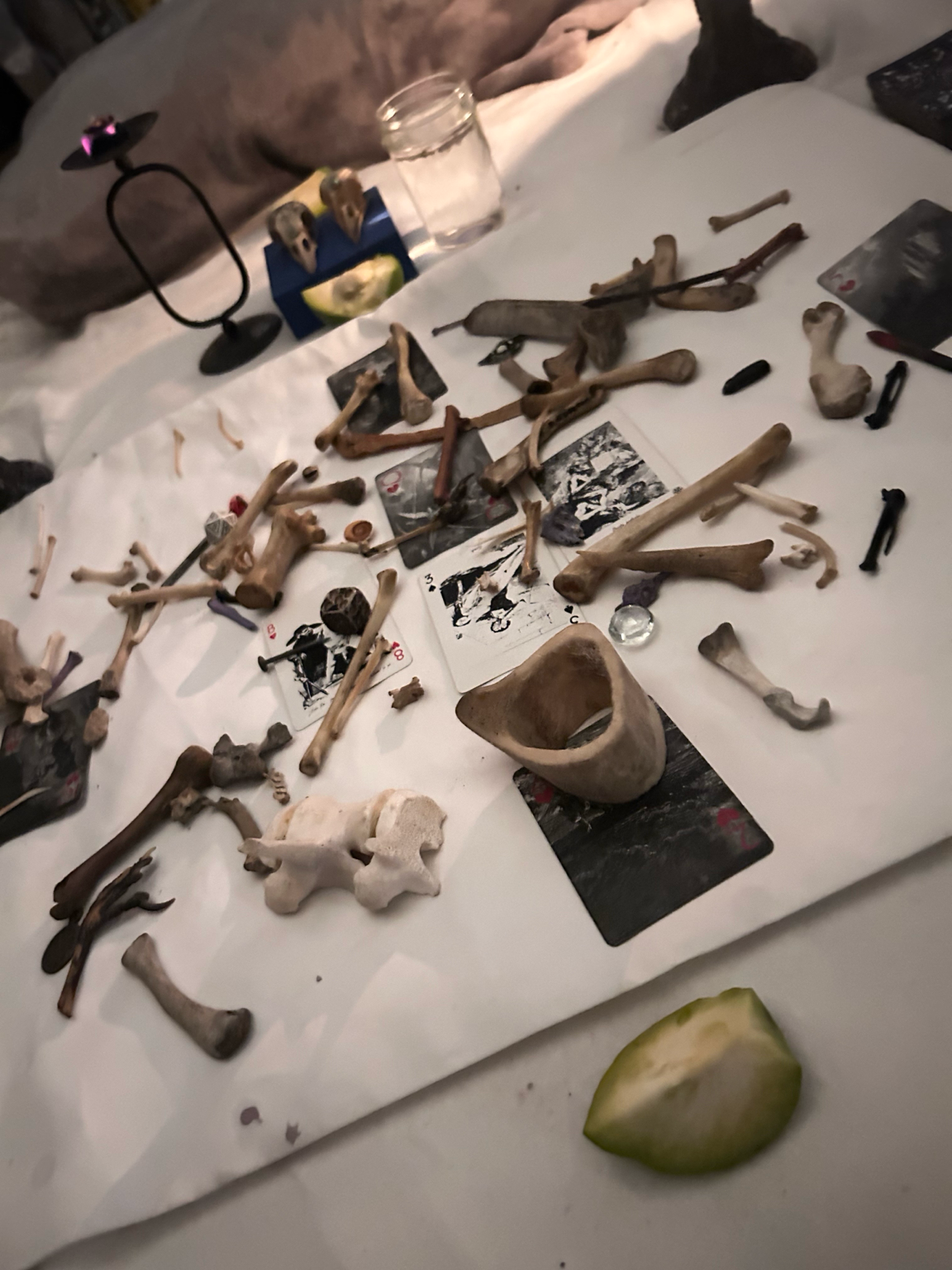
– the fruit becomes more than food. It becomes alignment. The querent's dead and ancestors feel slightly at ease to communicate through bones and cards. This is a descent into alignment with those dead but not forgotten, those who offer insight through the eyes of what only death can provide answers to.
The body settles into a state that is receptive rather than searching. The Witch casting bones becomes a softened beacon– an interpreter for the living querent and their dead and back again.
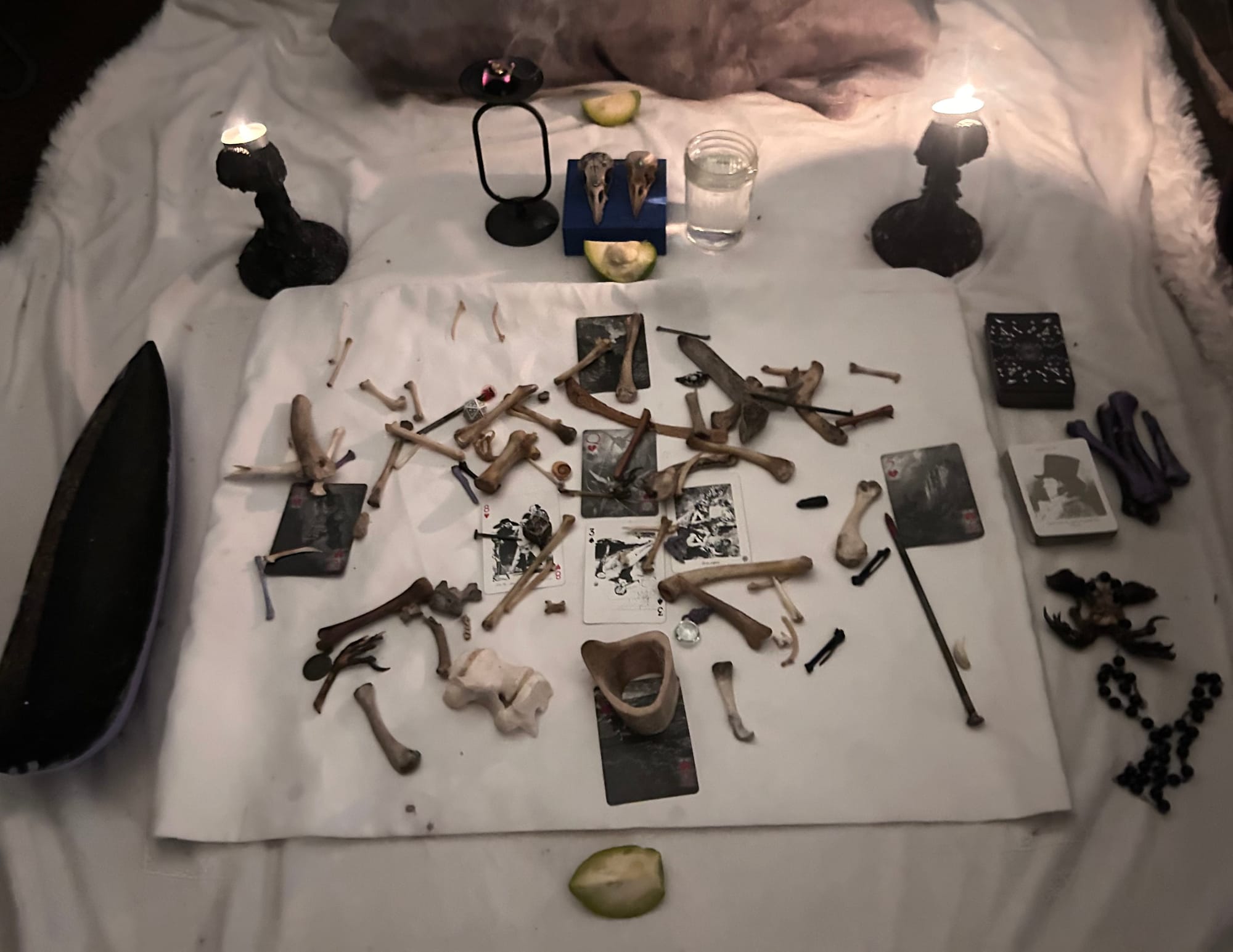
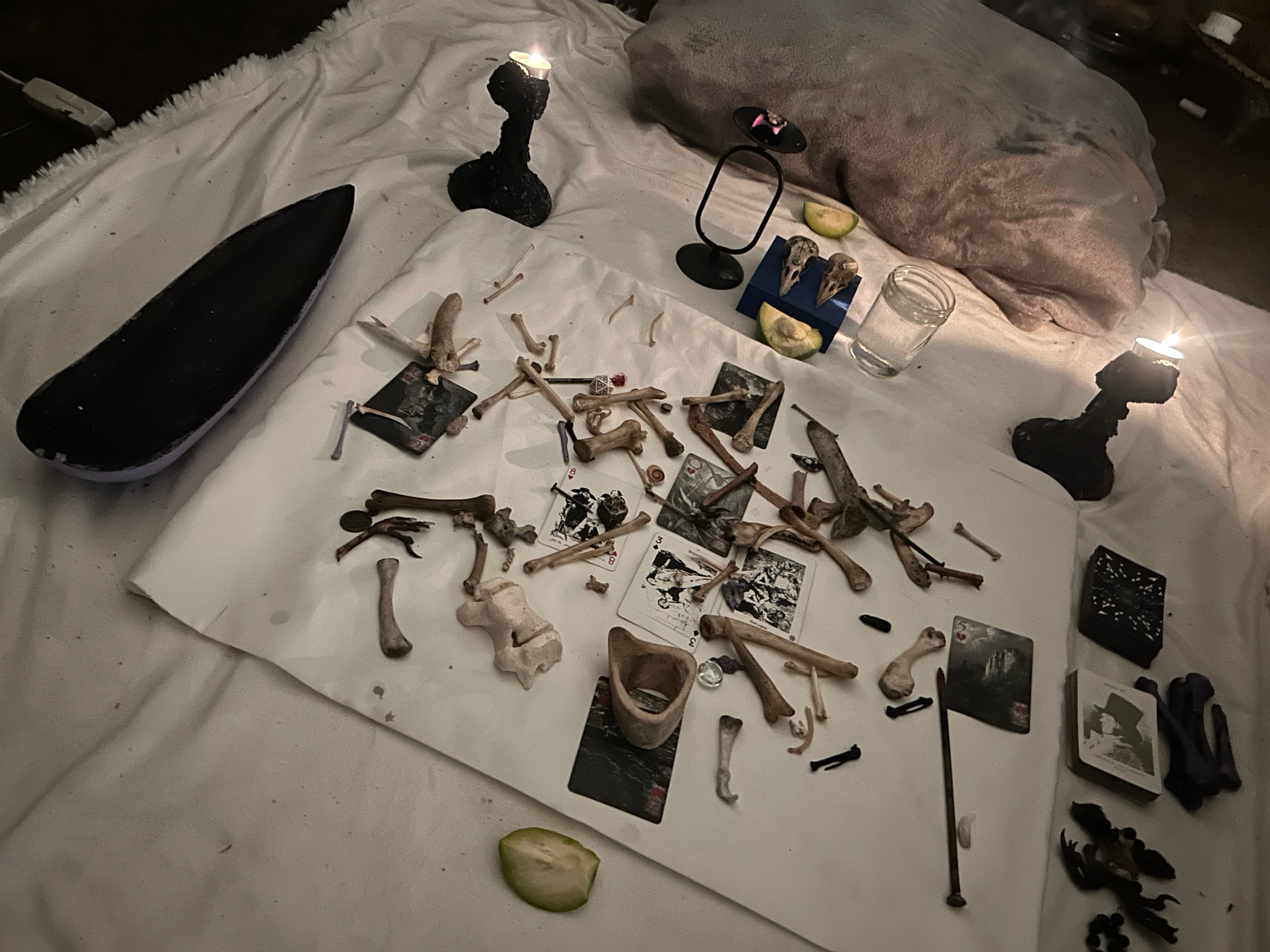
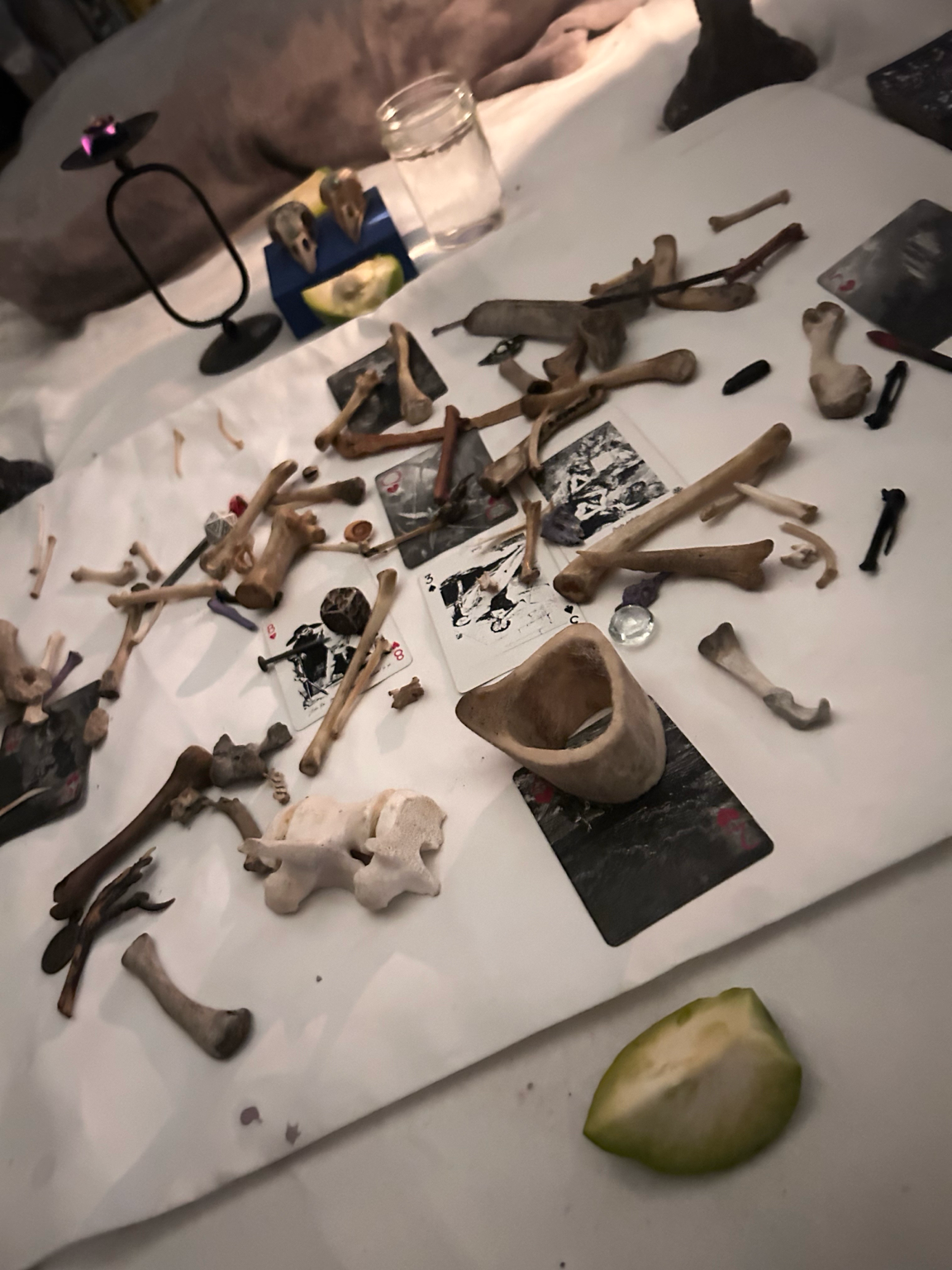
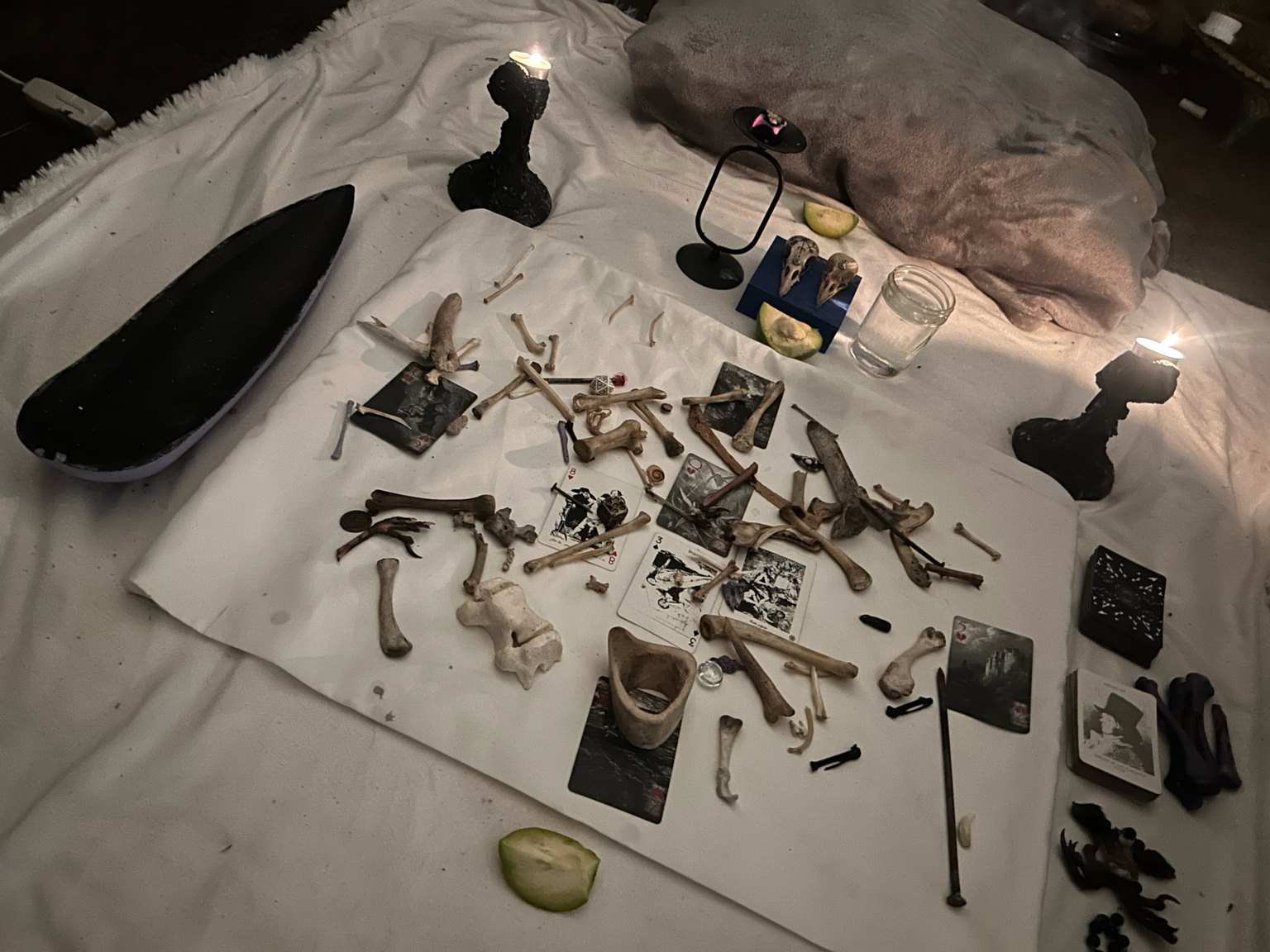
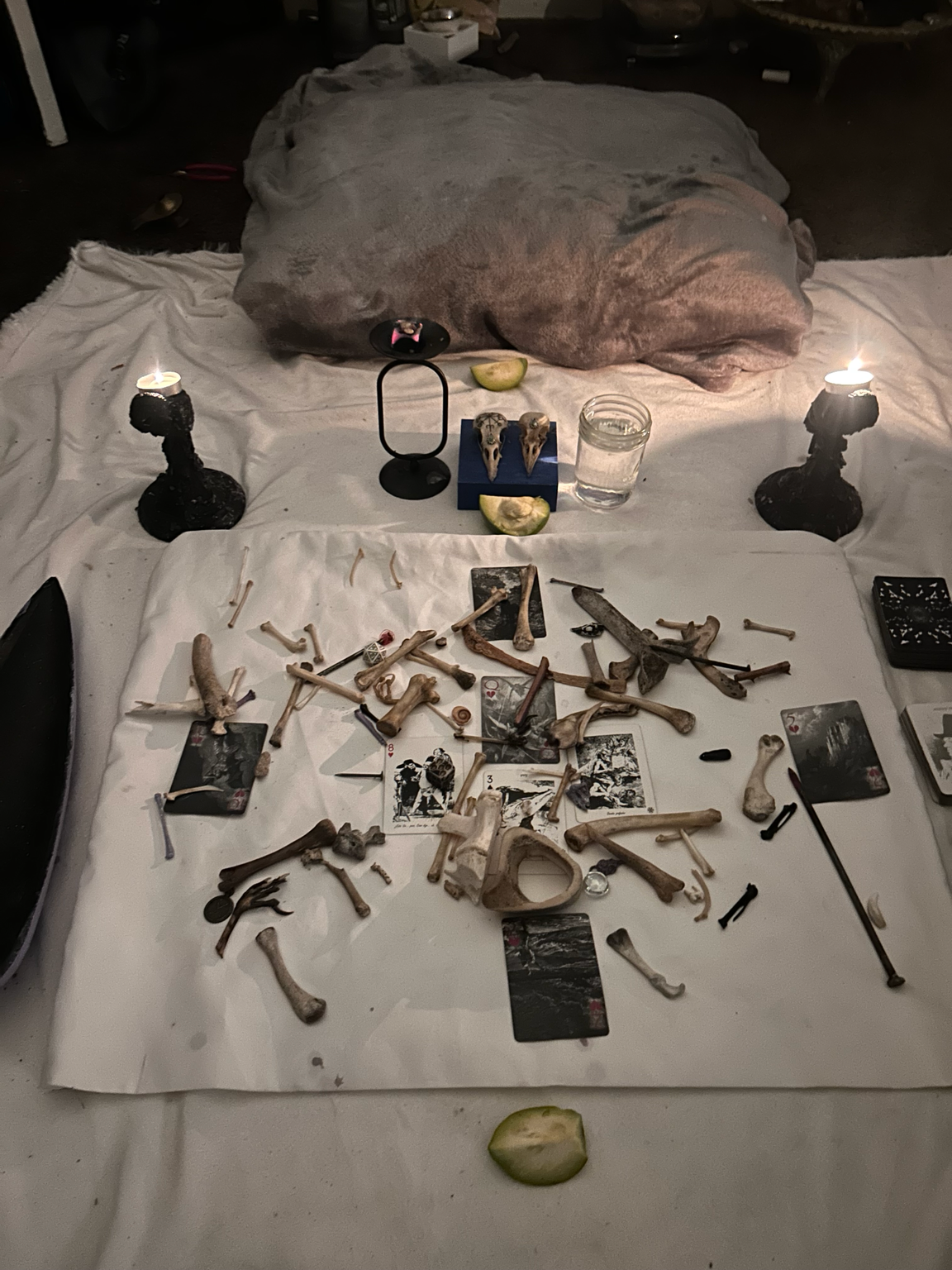
In this state, divination changes. Not in method, but in posture.
The inquires are no longer pushed outward, they are allowed to surface through Death's Sister. Peace.
The dead are not reached for.
They are met.
𝔉𝔬𝔬𝔡 𝔞𝔰 𝔞 𝔗𝔥𝔯𝔢𝔰𝔥𝔬𝔩𝔡
White sapote reminds us that food is not separate from medicine.
That the body can be guided, not just fed.
That transformation does not always come through force, but through ripening.
Through timing.
Through readiness.
And that sometimes, the most powerful shifts are not the loud ones, but the quiet, undeniable softening that happens when something is finally… ready.---
Eat slowly.
Let the fruit open you as it has opened itself.
And notice the moment—subtle, precise—when everything inside you decides to let go.