𝔖𝔦𝔤𝔦𝔩ℭ𝔯𝔞𝔣𝔱
Symbolic Compression, Operative Intention, and Ritual Art
𝔖𝔦𝔤𝔦𝔩ℭ𝔯𝔞𝔣𝔱 is the ritual art of creating sigils. If we go by the common definition and understanding of the word 𝔖𝔦𝔤𝔦𝔩, it is a symbol traditionally understood as a mark imbued with magickal intention, or used to represent a spirit, a force, or the conjuring presence of that force—or even a compressed sentence of a desired outcome.
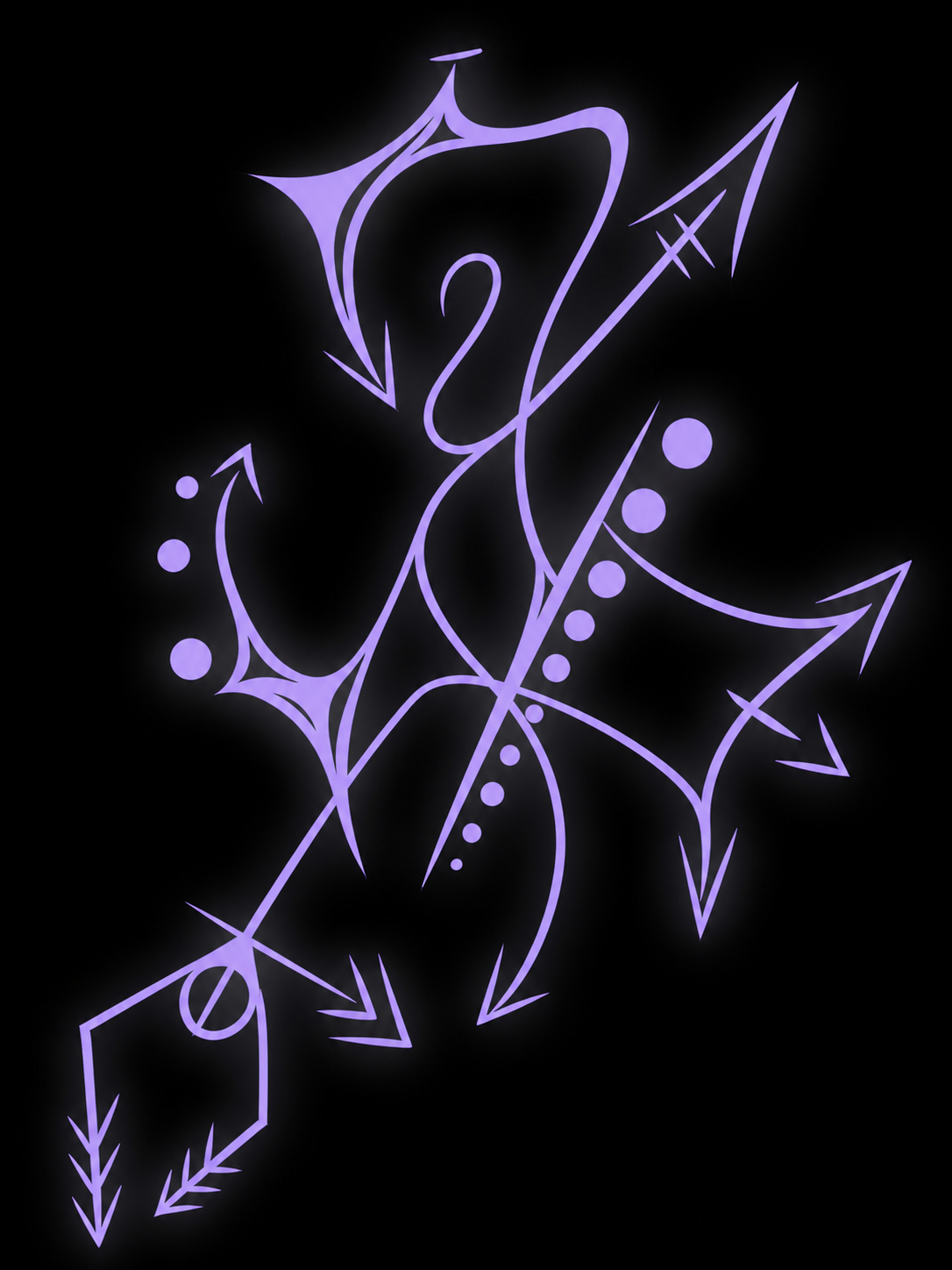
In this practice, a sigil is not merely a representation, but a form of symbolic compression, where intention, language , and process are distilled into a single operative glyph.
Through this compression, sigils become active mechanisms rather than passive images. In chaos magick, sigils are created with intention and charged through various means—semen, spit, corresponding oils, light, sound, fire, or submersion—then released or forgotten. The mind, having already been impressed by the sigil, allows the magick to operate beyond the interference of doubt:
“What if it doesn’t work?”
“Did I draw this correctly?”
“Is this real?”
These are natural thoughts, but they become roadblocks. To charge and release the sigil is to remove those barriers and allow the work to move.
In this context, sigils do not simply signify something—though they can. Going deeper, they 𝔡𝔦𝔯𝔢𝔠𝔱, 𝔦𝔫𝔣𝔩𝔲𝔢𝔫𝔠𝔢, 𝔞𝔫𝔡 𝔰𝔱𝔯𝔲𝔠𝔱𝔲𝔯𝔢 𝔟𝔢𝔥𝔞𝔦𝔳𝔬𝔯: of the witch, the target, and the surrounding environment. They shape how a situation—or even a person—moves, transforms, or resolves over time.
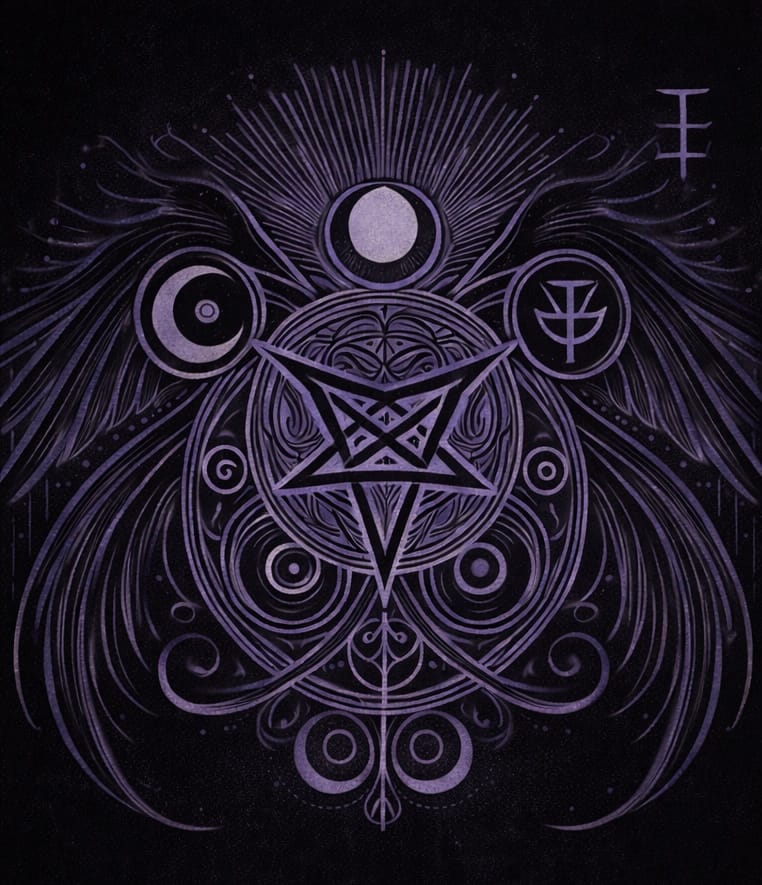
These glyphic mechanisms do not need to follow rigid, rule-bound systems of creation. If they did, witchcraft would become stagnant. Imagination and artistry are where the strongest magicks are born—and where they incubate.
A drawing, a painting, a collage—any constructed form—can become a sigil when it is made with intention and treated as such.
𝔖𝔦𝔤𝔦𝔩ℭ𝔯𝔞𝔣𝔱, therefore, exists at the intersection of intention, design, art, ritual, and creative freedom: a system where visual form encodes action, and magick is its propulsion. The act of creation becomes inseparable from the effect it produces.
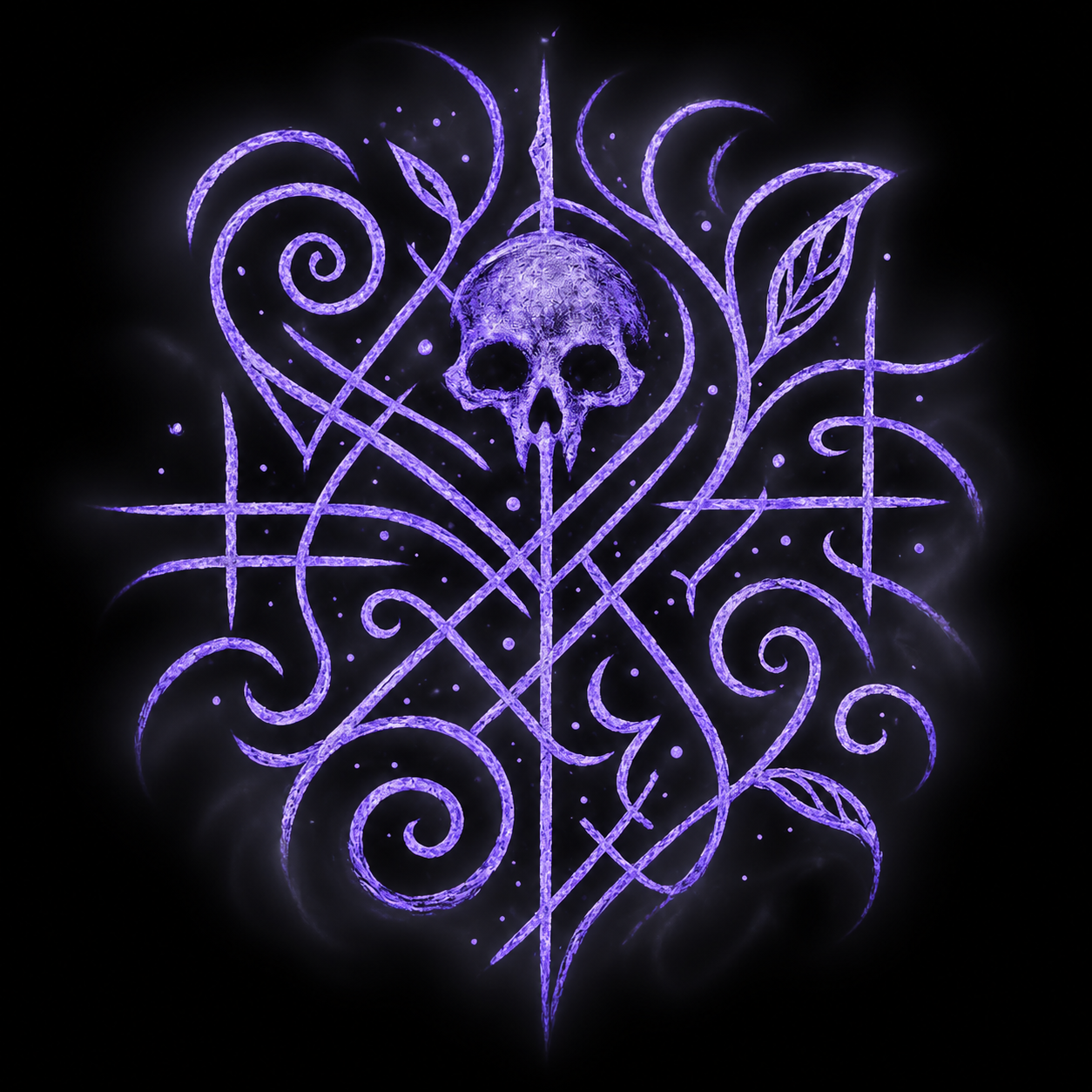
𝔖𝔦𝔤𝔦𝔩ℭ𝔯𝔞𝔣𝔱 (noun)
- The art and practice of creating sigils—symbols imbued with magickal intention or used to represent and influence forces, entities, or outcomes.
- A system of symbolic compression, in which intention is distilled into operative visual form.
- A ritual art wherein symbols function not as representations, but as active directives shaping process, state, person, or behavior.